Atlantic Highlands, New Jersey
Attic Mold Removal in Atlantic Highlands, NJ
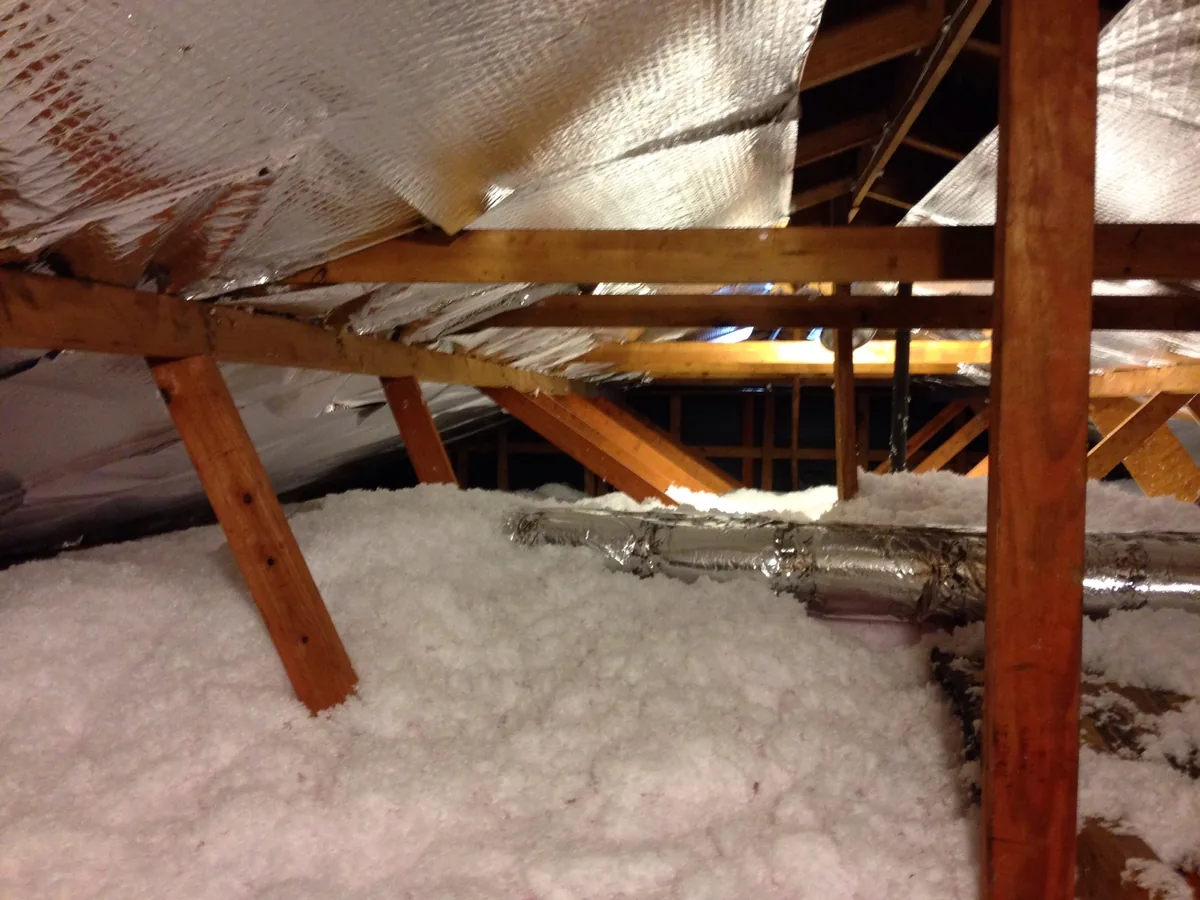
Attic mold remediation in Atlantic Highlands begins by identifying the moisture source, whether from a roof leak, condensation on cold sheathing, or a misdirected bathroom fan.
When you call
What happens when you call Atlantic Highlands's 24/7 line
Call (844) 352-3560 any hour. The line is answered 24/7 and insurance is accepted.
The process
The Attic Mold Removal process in Atlantic Highlands, NJ
Inspect
Sheathing, rafters, and insulation are inspected for staining in Atlantic Highlands attics, with moisture meters confirming current or past dampness.
Contain
The attic access is sealed and a HEPA air scrubber creates negative pressure to prevent spore dispersal into living areas during remediation.
Remove
Contaminated insulation is removed. Sheathing and framing are cleaned via HEPA vacuuming, manual methods, or soda blasting based on staining severity.
Ventilate
Blocked soffit vents and interior-terminating bath fans are noted, as proper soffit-to-ridge airflow is critical for keeping the roof deck dry.
Verify
Cleaned wood receives antimicrobial treatment and a clear sealant. Moisture readings confirm dryness before containment is removed and the access is closed.
Why Atlantic Highlands homeowners call
Attic Mold Removal done to the IICRC S520 standard in Atlantic Highlands, NJ
Ventilation Assessment Included
The inspection checks for blocked soffits and misrouted exhaust fans, common contributors to moisture problems in the attic.
Crew Equipped for Confined Spaces
Technicians are prepared for the tight, low-clearance conditions typical of attic work in area homes.
Wood Preservation Focus
The approach prioritizes cleaning and treating sheathing and rafters where structurally sound, avoiding unnecessary removal.
Documented Process and Findings
Documentation includes before-and-after photos, moisture readings, and a written scope covering the entire affected area.
When to call
When to book Attic Mold Removal in Atlantic Highlands
- A musty odor near the attic access or in upper-floor rooms
- Dark staining on roof sheathing observed during other work
- A bathroom exhaust fan that vents into the attic cavity
- Condensation or frost on the underside of the roof deck
- Insulation near the eaves appearing matted, discolored, or damp
- Staining on rafters or sheathing noted during a home inspection
Any one of these is reason enough to call (844) 352-3560, the line is answered 24/7.
Scope of work
What the crew removes and treats in Atlantic Highlands homes
Roof sheathing (OSB or plank)
HEPA vacuumed, treated with antimicrobial, and sealed with clear encapsulant
Rafters and truss webs
Cleaned in place; replacement occurs only if structurally compromised
Blown-in cellulose
Removed and bagged where damp or contaminated
Fiberglass batts
Replaced where compressed, stained, or retaining moisture
Bath fan ducting
Documented if found terminating inside the attic space
Not sure how far the damage runs? Describe it on the phone at (844) 352-3560, the line is answered 24/7.
By location
Attic Mold Removal by city
Attic Mold Removal covers Atlantic Highlands and the whole Monmouth County area. Pick your city for local detail and pricing.
Where the crews work
Attic Mold Removal across Atlantic Highlands & the Monmouth County area
From Atlantic Highlands out to Navesink, Leonardo, Highlands, and the Monmouth County area. The same crews, the same 24/7 line.
What it costs
Mold removal cost in Atlantic Highlands, NJ
Every job is different, so these are the typical New Jersey ranges. They are planning numbers, not a quote. Your price depends on how much mold there is, where it is, and what caused it.
A single moldy spot, a closet, or under a sink. The crew seals it off, removes it, and treats the surface.
A bathroom, kitchen, or bedroom with mold on a wall or ceiling, plus the moisture source fixed.
Larger areas that need more containment and drying. Common here after spring rain or a slow leak.
Mold across several rooms or after major water damage. The work runs in phases, room by room.
The surest way to get a firm number is to call and have the crew walk the space with you. Want a ballpark first? Try the instant mold remediation cost calculator. Filing a claim? Insurance is accepted and the contractor works with your carrier, so read the mold insurance claims guide.
Time and scope
How long Attic Mold Removal takes in Atlantic Highlands, and what is included
How long the job takes
The duration is influenced by the square footage of affected sheathing. A small, localized treatment is quicker than full-deck remediation with insulation removal and air scrubbing.
What is included, what is booked separately
- Containment at the attic access with negative air pressure maintained
- HEPA vacuuming and antimicrobial treatment of sheathing and rafters
- Removal and disposal of contaminated insulation
- Application of a clear protective sealant over cleaned wood
- Documentation including photos and moisture readings in the work scope
Booked separately: Mold After Roof Leak, Mold Clearance Testing, Ceiling Mold Removal.
For a firm schedule and a written scope, call (844) 352-3560, the line is answered 24/7.
On the job
Mold remediation work in Atlantic Highlands homes
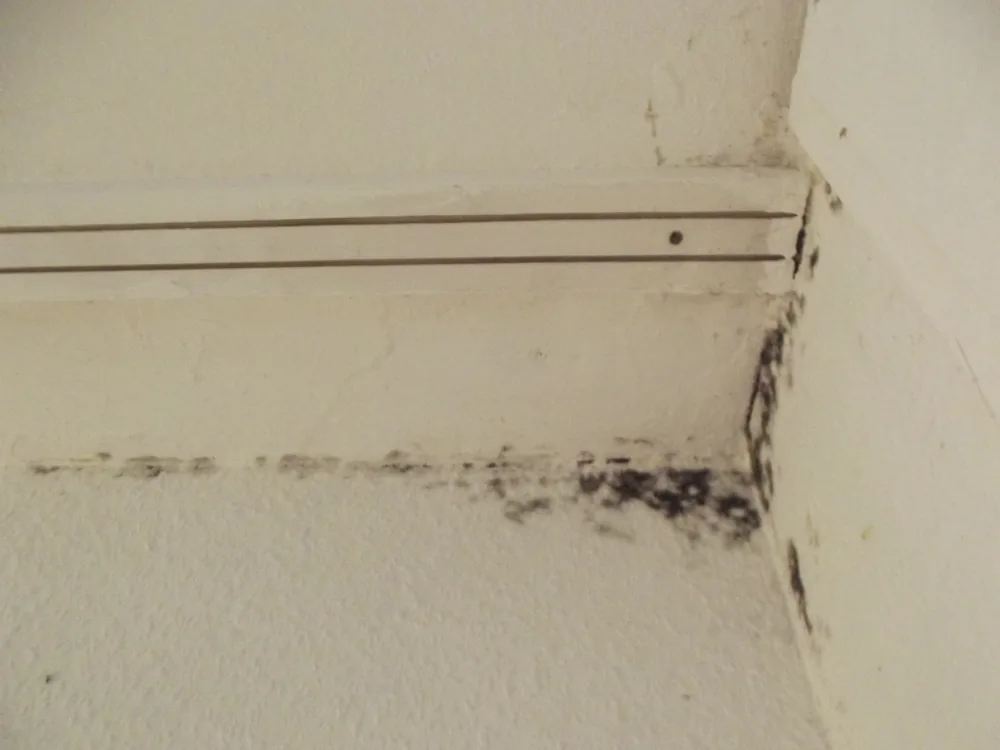

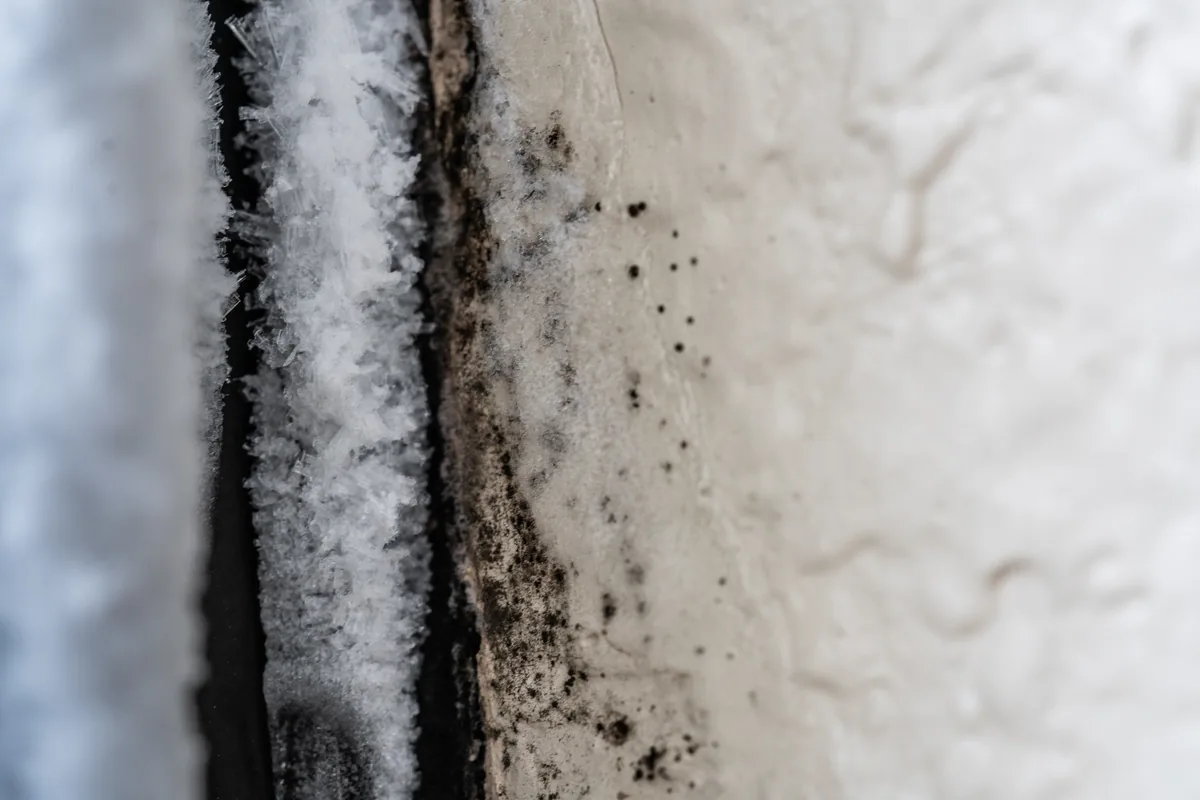
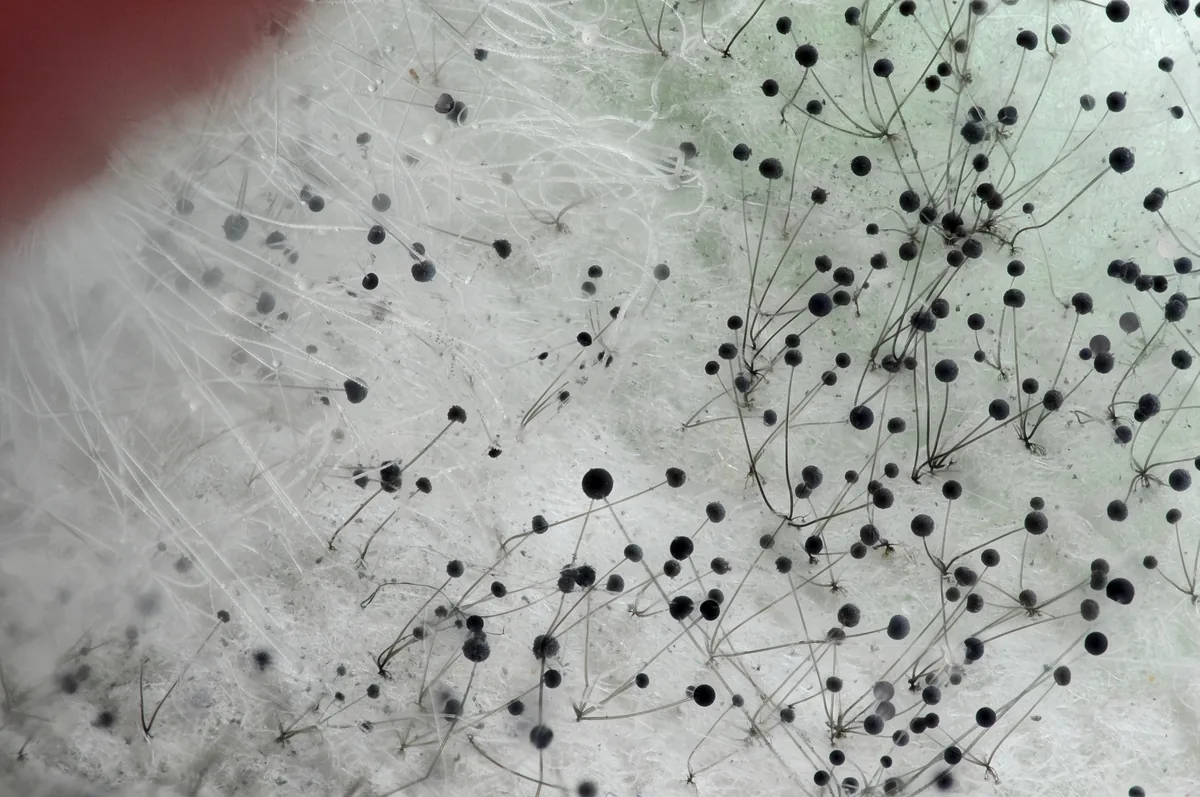
Why Attics Develop Mold in This Climate
Attic mold in Atlantic Highlands often stems from indoor moisture, not outdoor humidity. Warm, moist air from the home can become trapped in the attic cavity.
A common finding in area attics is a bathroom exhaust fan ducted into the open space rather than outside, a frequent issue in older homes or certain remodels.
Roof leaks near flashing, vent boots, or aging shingles are another primary cause, often undetected until staining is noticed on the sheathing.
In winter, warm indoor air condensing on a cold roof deck can dampen sheathing overnight, creating a mold-friendly environment without an active leak.
For independent guidance on mold, moisture, and safe cleanup, see EPA: mold remediation in schools and commercial buildings and CDC: mold and health information.
Scope of an Attic Inspection
A comprehensive inspection examines the entire attic space, not just the initially visible area of concern.
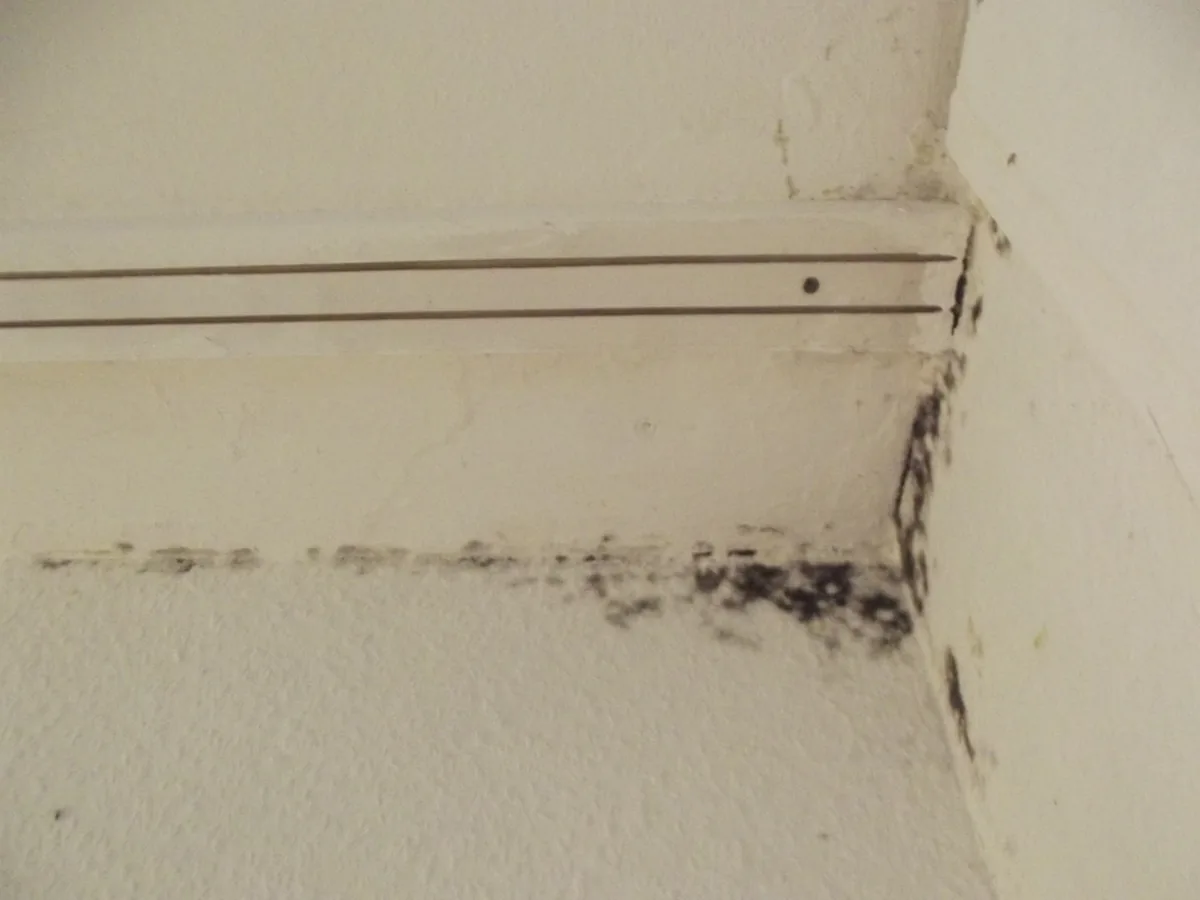
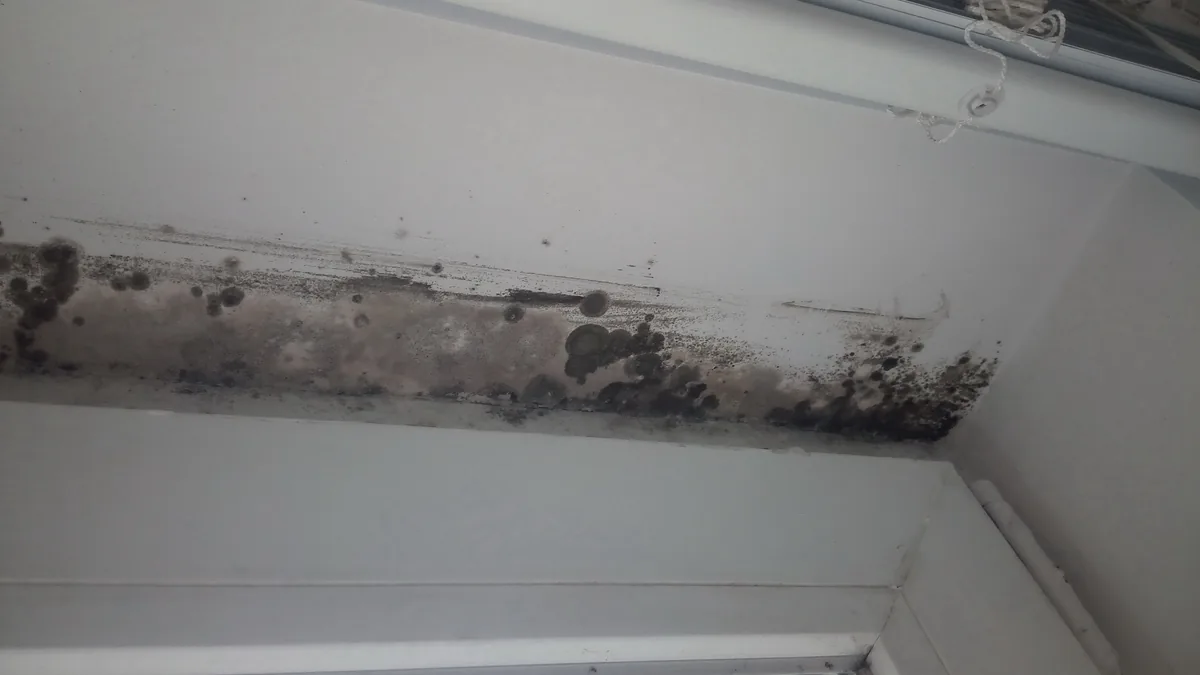
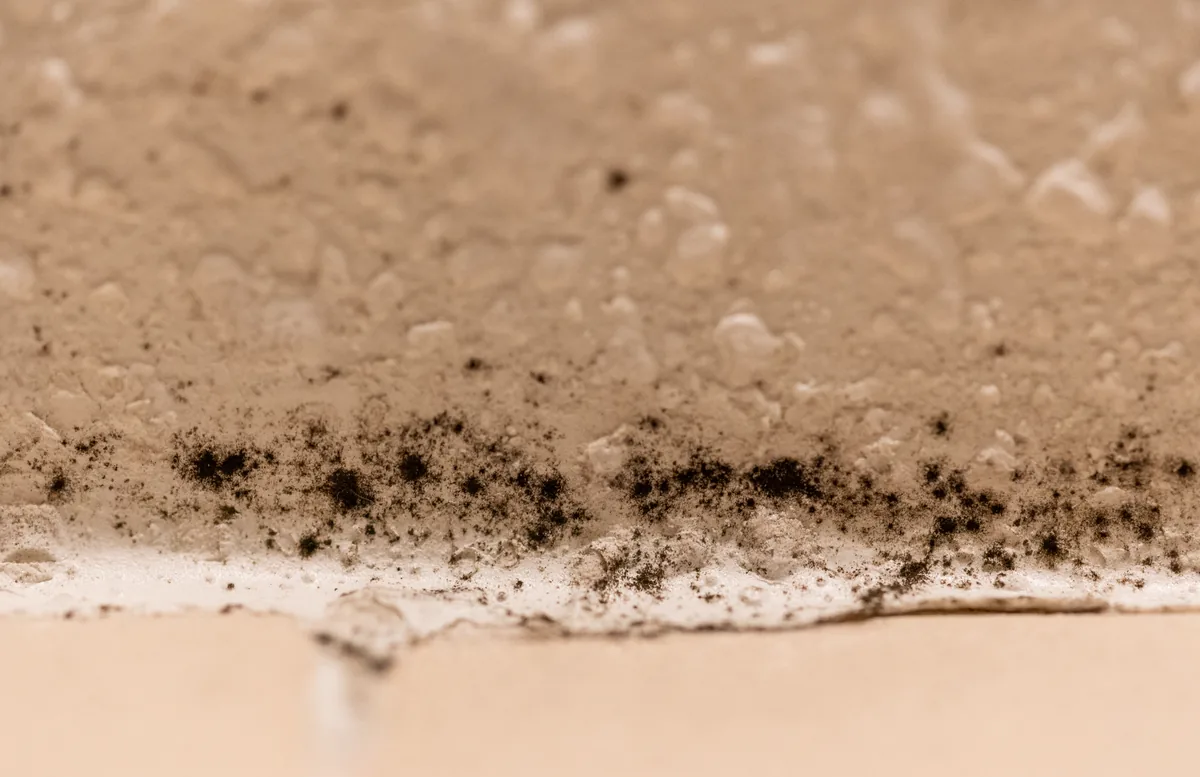
- Dark streaking or fuzzy Aspergillus and Cladosporium growth on sheathing and rafters
- Insulation that is compressed, matted, damp or discolored
- Where the bathroom and kitchen exhaust fans actually terminate
- Soffit baffles and ridge vents blocked by insulation or debris
- Staining around chimney flashing, vent pipes and skylight curbs
Managing Insulation During Remediation
While stained wood sheathing can often be cleaned and treated, wet or contaminated fiberglass or cellulose insulation typically requires removal.
The work scope distinguishes between materials that need replacement and those that can be salvaged, focusing on necessary remediation.
When condensation is the cause, staining can be widespread across multiple sheathing bays, affecting a larger treatment area.
Batt insulation may show clear compression and discoloration, while damp blown-in material can appear deceptively dry on the surface.
Addressing the Source of Moisture
Improper bath fan termination is documented, as leaving it unaddressed significantly raises the risk of recurrence after remediation.
Blocked soffit vents are also flagged. Proper airflow from soffit to ridge is essential to prevent the stagnant, damp conditions mold requires.
While roofing or HVAC repairs fall outside the remediation scope, the findings provide specific details for the necessary corrective work.
Navigating Confined and Complex Attic Spaces
Attics often present low clearance and confined spaces. The technicians are equipped to work safely and thoroughly in these challenging conditions.
Care is taken around loose-fill insulation and any historical wiring, ensuring these elements remain undisturbed and are noted in the documentation.
Summer heat in an Atlantic Highlands attic is considered, with scheduling adapted to avoid extreme temperatures that could impact work quality or safety.
After the job
After the job: keeping it from coming back
Ensure all bath and kitchen exhaust fans vent directly outside
Maintain clear soffit vents to preserve proper attic airflow
Check the attic interior after significant seasonal weather changes
Seal gaps around the attic hatch and ceiling penetrations to limit air transfer
If it shows up again, or a new leak starts, call (844) 352-3560, the line is answered 24/7.
Good to know
Attic Mold Removal in Atlantic Highlands, NJ: common questions
What are signs of attic mold in an Atlantic Highlands home?
Signs include a musty smell near the attic, dark streaks on sheathing noticed incidentally, or visibly improper fan venting. Many homeowners discover it during other attic activities.
Is all attic insulation replaced during mold removal?
Only insulation that is damp, contaminated, or compressed is removed. The boundary is determined by moisture readings, preserving unaffected material.
Will attic ventilation be evaluated even without obvious mold?
Yes. An inspection can assess overall attic conditions, airflow, and moisture levels based on odor or general concern, with all findings documented.
Is remediation different for leak-related mold versus condensation mold?
The removal process is similar. The crucial difference is in the required fix afterward: roof repair for a leak, or correcting ventilation and airflow issues for condensation.
Can attic mold impact indoor air quality in the home?
Yes, particularly if air can move from the attic into living spaces through gaps or fixtures. Containment during work is designed to prevent this cross-contamination.
Related services
More mold services in Atlantic Highlands, NJ
Standards
Standards the work is done to in Atlantic Highlands
Questions about the scope? Call (844) 352-3560, open 24/7.
Talk to the mold removal team now
Need Attic Mold Removal in Atlantic Highlands, NJ?
Call the 24/7 line and a local crew gets the problem contained fast, then removed the right way, to the IICRC S520 standard. A visit is often set the same day.